CEO update
Cautious optimism appears to be the sentiment across our service region right now. Regular and decent rainfall in May and June, fuel and fertiliser availability and prices looking a bit more like normal and continued strong livestock prices are favourable developments. However, uncertainty in the Middle East, recent confirmation by the BOM that El Niño is underway in the tropical Pacific, biosecurity concerns e.g. bird flu and stubborn inflation and rising interest rates are curtailing the positivity.
Like most businesses we've been focusing on data entry and review for end of year reporting. Tax preparation and the impact of recent federal and state budget announcements are key focus areas for our clients. Internally we've been ensuring all our counselling sessions, file reviews and accounts payable and receivables are up to date. This is important work as so many outputs depend on the data we report in our systems.
Our staff, including myself, have not just been bound to the desk. In June we held staff conferences in Cootamundra, Condobolin, and Batemans Bay for our three teams in the RFCS program. These learning and development events are held every six months to ensure the skills and knowledge of our RFCs are up to date. In the same month, we delivered Farm Smart workshops in Orange, Griffith, Merimbula, Molong, Narooma, and Trangie. These provide our farmers with practical skills in business planning and risk management. We also made inroads with the schools and other stakeholders on building financial literacy and developing referral pathways, some of which is described later in the newsletter.
You may have noticed that we're providing more content in this and recent newsletters than we have previously. There is a lot going on across regional NSW - events, tools, resources, stories, and activities relating to our service. While some of this may not be relevant for some people, it will be for others. By providing the links and summaries, we are saving our stakeholders time in searching and navigating the internet. This is a productivity benefit we are happy to provide.
NSW Budget, and what it means for farming businesses

The NSW Budget landed on 23 June against a tough backdrop for farming families and rural businesses - rising fuel costs driven by Middle East conflict, and three consecutive RBA interest rate rises this year adding up to 0.75 per cent.
We've cut through the detail with a plain-language summary of what the budget means for regional NSW, covering agriculture and drought support, health, roads, education and emergency services.
Tax time: getting the most from your accountant appointment

Your tax appointment is one of the most valuable hours in your business year, but only if you walk in prepared. Before you go in, run through this checklist:
- Know your numbers: have a clear picture of your income, expenses, debt and assets
- Update your cash flow forecast
- Get your documents in order: asset purchases and sales, loan documents, government grants or payments received, previous tax returns, profit and loss statements, livestock reconciliation
- Have your goals clear: are you planning to expand, restructure, or start thinking about succession?
- Come with questions ready
A few areas worth raising with your accountant: whether Farm Management Deposits are still working for your situation; any deferred income tax options if you've sold livestock due to drought, fire or flood; and whether your current trust structure is still the right fit for income distribution, asset protection and succession.
RFC Scott Boyle also flags some tax deduction tips worth noting, and discussing with your accountant. While not tax advisers, your local RFC can help you work through your financial position and goals before your appointment - at no cost and in complete confidence.
What's changing from 1 July
A range of national and state changes take effect with the new financial year. Here's what's relevant to know.
Division 296 tax on large super balances: From 1 July, an additional 15pc tax applies to super earnings attributable to balances between $3 million and $10 million, and a further 10pc on earnings above $10 million. Farmers holding significant assets inside self-managed super funds, a common succession and asset-protection strategy, may be affected.
Small business CGT concession expanded: The turnover threshold for the Small Business 50pc Active Asset CGT Reduction lifts from $2 million to $10 million, bringing an estimated 99pc of Australian farming operations within reach of the concession.
Fuel excise reverts: The temporary halving of fuel excise, from 64 cents to 32 cents a litre, ends today. From July 1, the rate drops to 16 cents per litre until August 2, before reverting to its full indexed level. The Heavy Vehicle Road User Charge returns to 16 cents per litre over the same period.
National Environmental Protection Agency (NEPA): Australia's first independent national environmental regulator commences on 1 July 2026. NEPA will enforce environmental law, conduct compliance audits, investigate breaches and issue environment protection orders, with the Minister retaining final say on project approvals.
Instant asset write-off for small businesses: The $20,000 instant asset write-off is now permanently legislated for small businesses with annual turnover under $10 million, allowing minor equipment to be expensed immediately rather than depreciated over multiple years.
Loss carry-back returns: From July 1, eligible companies recording a loss can claim a refund against tax paid in the previous two income years. Around 85,000 companies, mostly small businesses, are expected to benefit.
Minimum wage rise: About 2.8 million Australians on award and minimum wages will receive a pay increase of 4.75% with the lowest-paid 100,000 workers receiving 5.97%. The national minimum wage rises to $26.44 per hour, or $1,004.90 a week before tax, from the first full pay cycle in July.
Tax cuts: Every Australian taxpayer receives a cut of up to $268 from July 1, 2026, rising to $536 annually from July 1, 2027. For incomes between $18,201 and $45,000, the tax rate drops from 16pc to 15pc this year and 14pc next year. A new $1,000 instant tax deduction, no receipts required, will also apply from 2026–27, benefiting an estimated 6.2 million workers.
Payday super starts: Superannuation must now be paid at the same time as wages, replacing the previous quarterly schedule. The concessional contributions cap also increases from $30,000 to $32,500.
Medicare levy surcharge (MLS) thresholds increase: The income threshold at which the Medicare Levy Surcharge kicks in will increase by $4,000 to $105,000 for singles and $8,000 to $210,000 for families. The surcharge is an additional tax for higher earners without private hospital cover.
Government payments and thresholds: Centrelink payment rates and income and asset thresholds, including Family Tax Benefit, Age Pension and Disability Support Pension, will increase through regular indexation from July 1.
Paid parental leave expanded: Government-funded paid parental leave (PPL) will increase from 24 to 26 weeks, providing a full six months at the national minimum wage for children born or adopted from July 1. Partner days also increase from 15 to 20.
Country of origin seafood labelling: Businesses serving seafood for immediate consumption must label it: Australian ('A'), Imported ('I') or Mixed origin ('M').
Grocery price gouging crackdown: New laws targeting price gouging will be enforced by the ACCC, prohibiting supermarkets with revenue exceeding $30 billion from charging prices deemed excessive relative to the cost of supply plus a reasonable margin.
New anti-scam SMS protections: Businesses using branded SMS sender IDs must now register them. Unregistered IDs may appear separately from verified business messages, making it harder for scammers to impersonate trusted organisations.
Business registration fees increase: ASIC fees rise from July 1. Business registration or renewal moves from $45 to $47 annually, or $104 to $108 for three years. Company registration increases from $611 to $636, and the annual review fee for a proprietary company from $329 to $342.
How a Cootamundra farm built green feed on tap
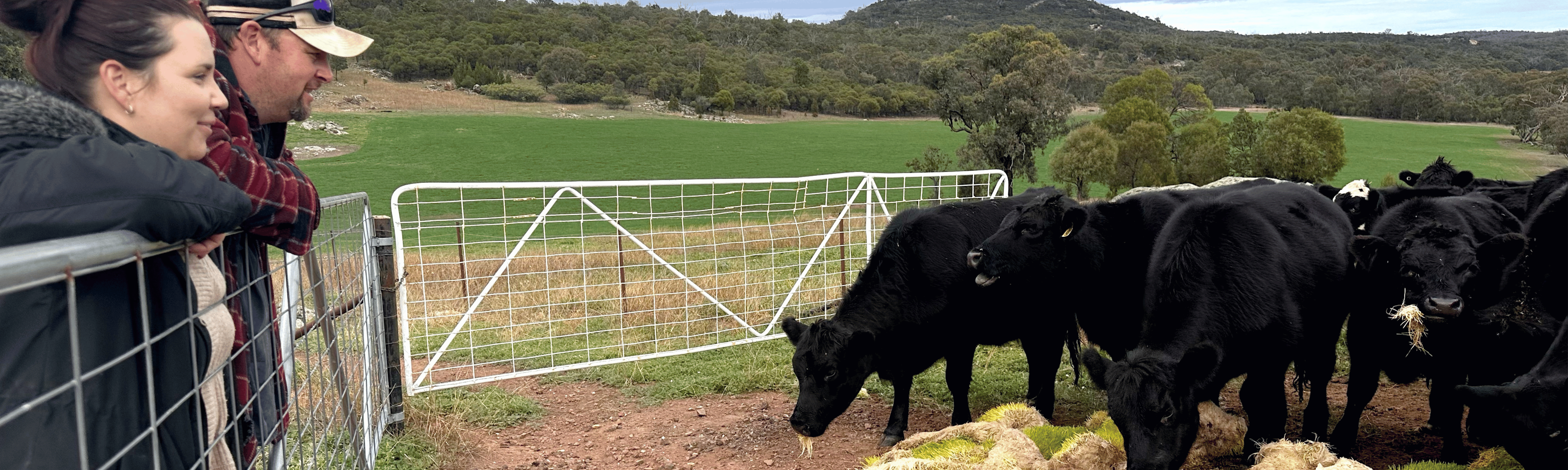
A second-hand shipping container, a Bunnings run and a bag of barley. That's how Cootamundra crop grower Ben Morton built a system that produces fresh green fodder every single day - drought or no drought.
Ben recently opened his gates to RFCS NSW rural financial counsellors for a field visit, walking them through his hydroponic setup. Seed goes in; seven days later a thick mat of nutrient-dense feed comes out, protein content nearly doubled, with cattle queuing up for more. It's practical, scalable, and the kind of budget-smart thinking that makes a real difference when conditions get tough.
Read the full story or watch the videos on the RFCS NSW YouTube channel to see the system in action.
Do you have a story to share? Ben's setup is one of many innovations happening quietly across farms in our region. Whether you've found a creative way to cut costs, tried something new to diversify, or want to share how rural financial counselling has made a difference on your farm, we'd love to hear from you. The stories that resonate most with other farmers are the ones that come from real experience. Get in touch with us at
Guide to Managing Drought, Fire and Flood
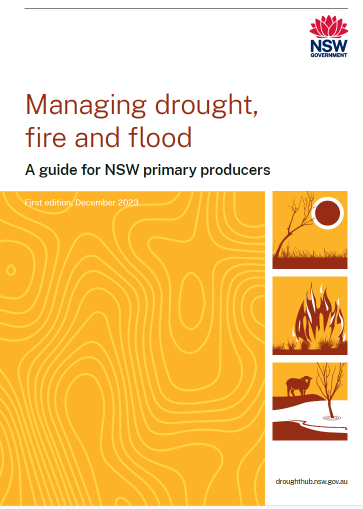
Published by Local Land Services and NSW Agriculture, the Managing Drought, Fire and Flood guide is a practical, producer-focused resource for navigating Australia's most challenging conditions.
It covers drought management strategies across all stages of planning and is a useful reference to have on hand well before conditions deteriorate. Pick up a printed copy from your nearest LLS office or download a copy.
Bird flu detected in SA and WA - NSW producers urged to stay alert
High pathogenicity H5N1 avian influenza (bird flu) has now been detected in wild birds in both Western Australia and South Australia. There are currently no confirmed cases in NSW, but the NSW Government has a response plan in place and is actively supporting containment and eradication efforts in affected states.
The strain has caused significant mortality in wild birds, poultry and some mammals overseas. NSW producers and community members - particularly those in coastal areas - are urged to be alert. If you encounter sick or dead wild birds: don't handle them, photograph and record the locations, then report immediately to the Emergency Animal Disease hotline on 1800 675 888.
Have your say: Feral Pig Impacts Survey
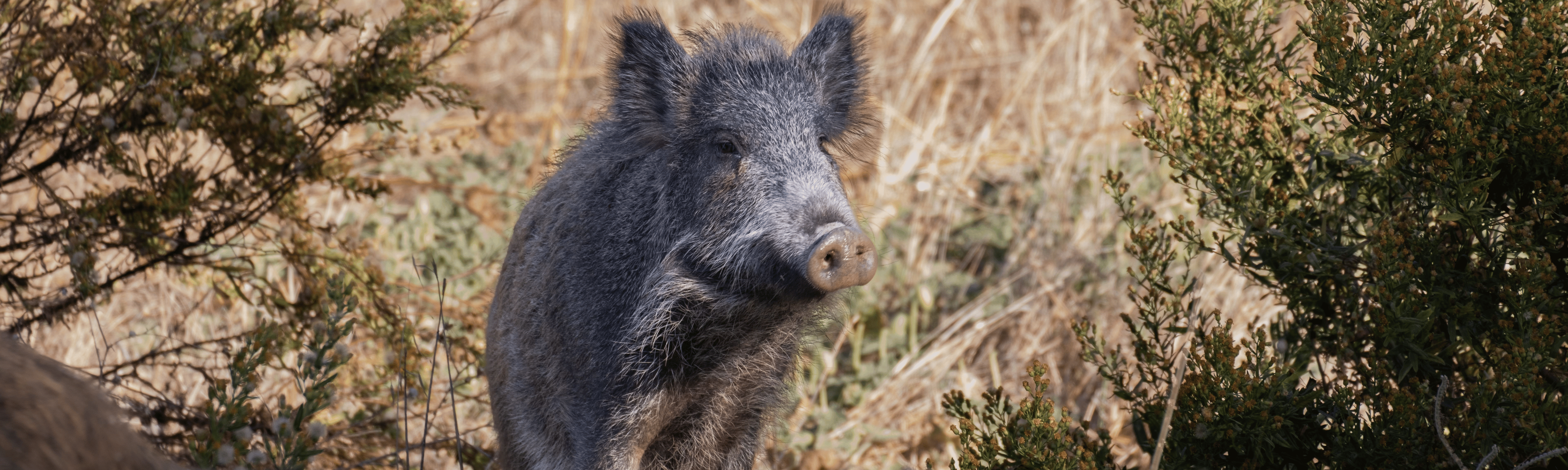
LLS is calling on landholders across NSW to complete the Feral Pig Impacts Survey - a statewide effort to build a more accurate picture of feral pig activity and inform biosecurity planning, control programs and seasonal operations including trapping, baiting and aerial programs.
Your on-ground experience matters. Every response strengthens the data behind the decisions that affect your region.
FeralScan: free tool for tracking pest animal activity
FeralScan is a free, easy-to-use online tool for recording and mapping feral animal activity on your property - no wi-fi required in the field, and your data is secure.
Use it to map feral pig activity and guide control efforts, coordinate with neighbours, send alerts when new activity is detected, and keep records of sightings, damage and control actions all in one place.
Recent rain? Now's the time to check for parthenium weed

NSW DPIRD is urging producers and rural communities to be on the lookout for parthenium weed germinations following recent rainfall, particularly across Western and Central West NSW, which are among the high risk areas.
Parthenium can flower as early as three weeks after germination and is easier to spot in areas with bare or sparse ground cover. It can cause severe respiratory problems and skin rashes in people, and health issues in livestock so don't touch or disturb any plants you suspect. If you spot something, photograph it, record the location, and contact your local council biosecurity officer or the NSW Biosecurity Helpline on 1800 680 244.
Better crops, built from the ground up in new seed vault

The crops farmers will grow in twenty years are being protected today, right here in NSW. A new $1.1 million seed vault and plant growth facility has opened at the Wagga Wagga Agricultural Institute, safeguarding thousands of unique grain seed lines that underpin the future of NSW agriculture. For grain growers, that means continued investment in developing varieties that are more resistant to disease, better suited to a changing climate, and ultimately more productive.
The climate-controlled facility stores nearly 3000 rice germplasm accessions (some almost a century old) alongside wheat, barley and lupin collections. Three new Plant Pathology Growth Rooms, part-funded by the GRDC, will allow DPIRD scientists to fast-track disease resistance research in key winter crops, shortening the path from lab to paddock. It's the kind of long-term investment that doesn't make headlines at harvest time, but shapes what's possible for farming families for generations to come.
40 Years, 40 Properties - help us celebrate this milestone
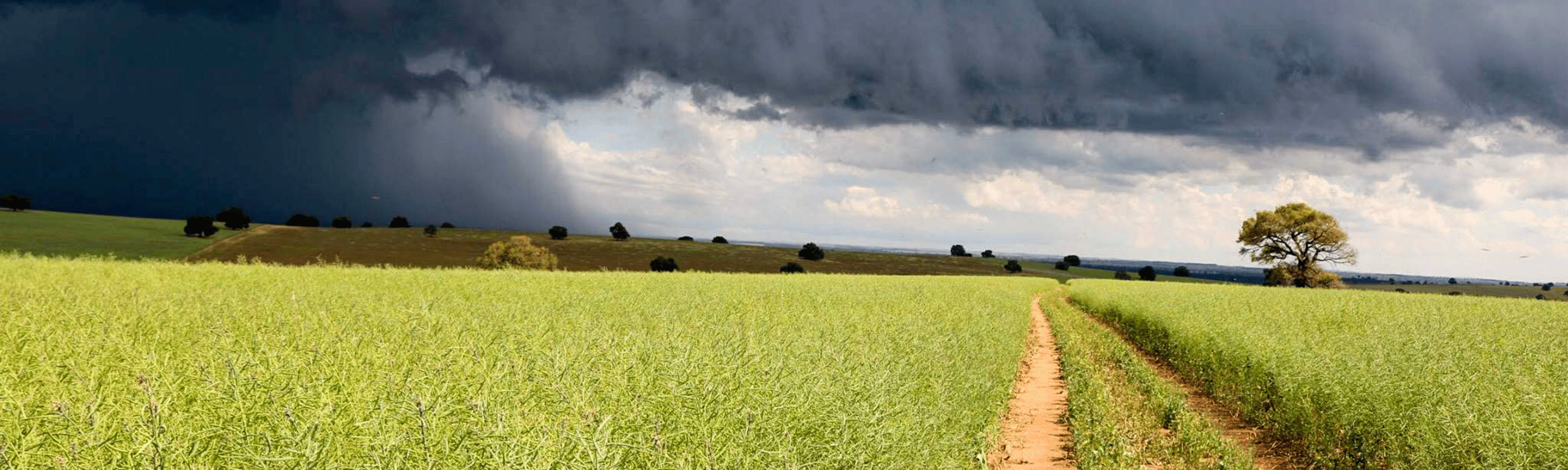
For four decades, RFCS NSW rural financial counsellors have been sitting across the kitchen table from farming families during some of their hardest moments - drought, flood, fire, debt, and decisions that shape generations. The work is important, and mostly invisible.
To mark the 40-year milestone, we're inviting farmers and farming communities to share a photo of their patch. A paddock, a working shot, a piece of machinery, a coastline or a wheat field - whatever says this is home. Share it with us using #40yearsoffarmlife and #mypatch40 or by email
Our RFC Teams Are Getting Together - Here's Why That Matters
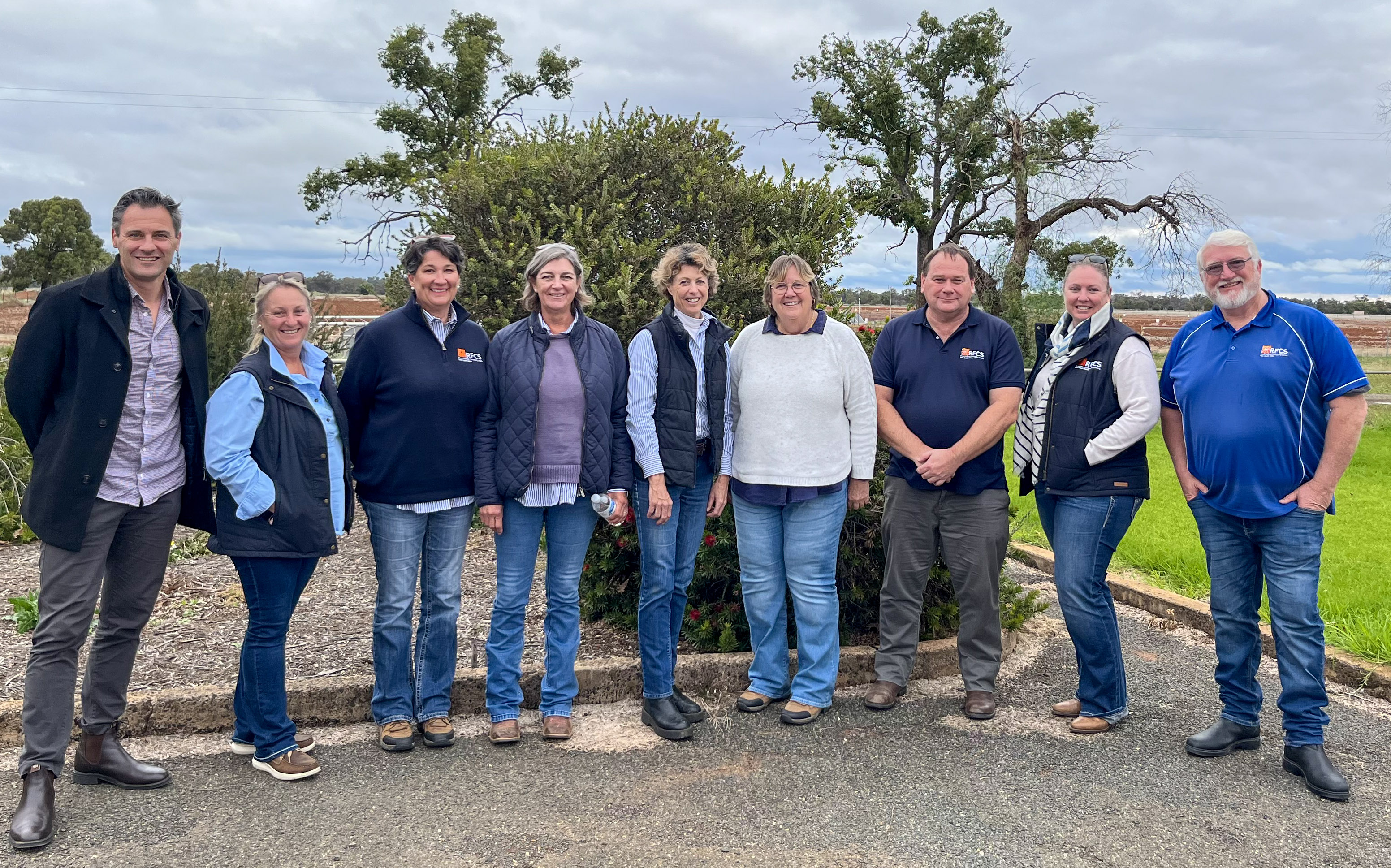
Each year, our three RFC teams take time out to come together at regional offsites - two days of shared learning and planning that helps our Rural Financial Counsellors show up at their best for farming clients across NSW.
Our Southern team kicked things off last month, and recently it was the Western team's turn, gathering in Condobolin for two days that covered everything from case management practice to financial analysis techniques. A highlight was a visit to the Condobolin Agricultural Research and Advisory Station and Central West Farming Systems - giving the team a firsthand look at how CWFS is supporting low-rainfall farming across 14 million hectares of Central West NSW. They even got up close with a Zurn 150 plot combine harvester, the kind of precision machinery researchers use to measure yield variations across different crop rotation trials.
Most recently, our Eastern Region team gathered in Batemans Bay. Again a packed agenda - Farm Debt Mediation strategies, the Business Review Tool, production schedules, serviceability exercises using RIC and NSW RAA scenarios, CRM best practice, and financial ratio benchmarking, rounding out with a CEO and HR update and open Q&A across all sessions.
With all three teams now having come together for 2026, it's a good reminder of what good service looks like behind the scenes. When counsellors are well-supported, connected to each other, and across the latest tools and knowledge, it flows through to every farming family they sit down with.
A Day in the Life of an RFC
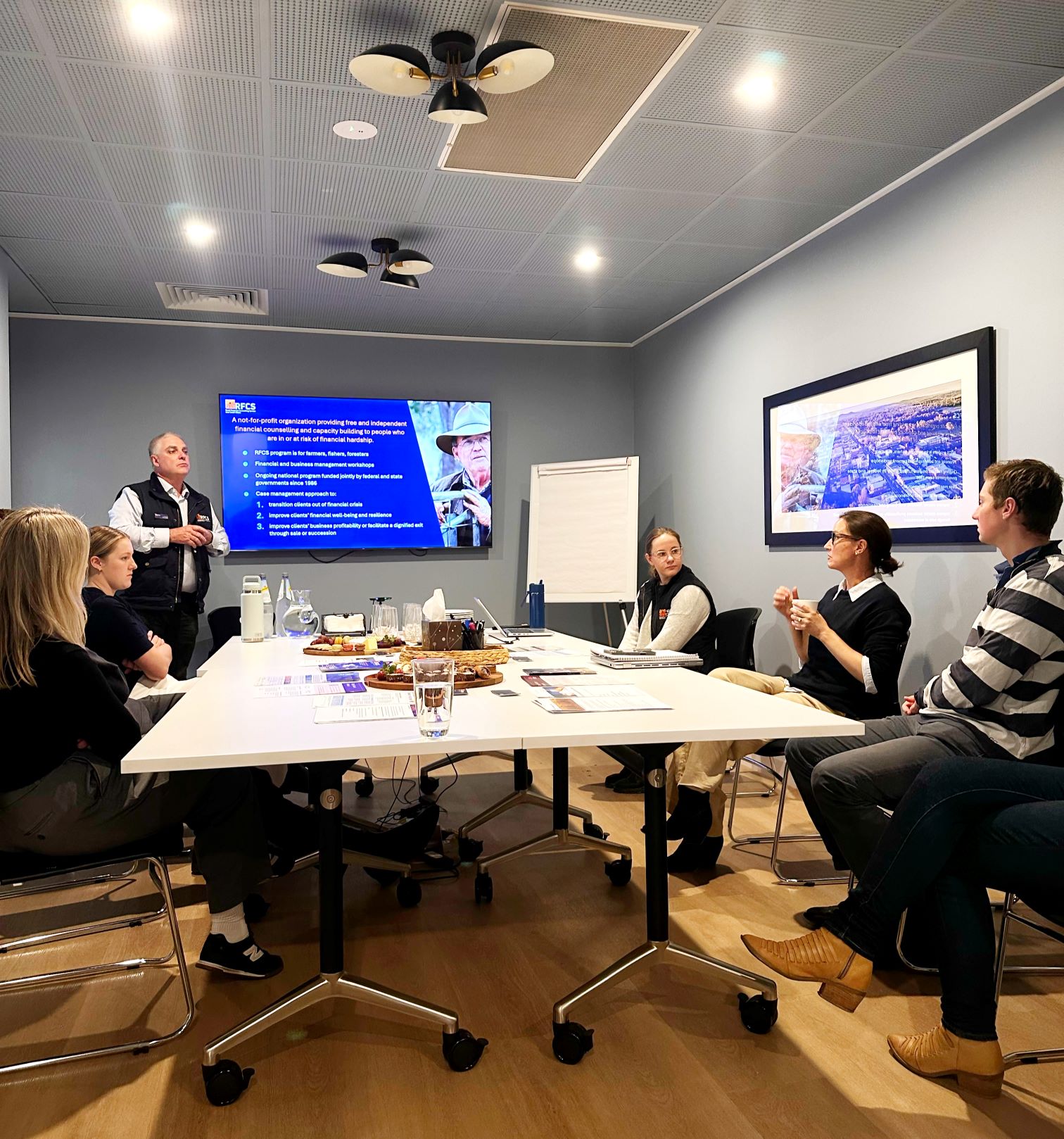
Ever wonder what a day in the life of a rural financial counsellor looks like? We take you behind the scene. Much of the work happens one-on-one with farming clients but a significant part of the role is out in the community, building the connections that make that support stronger.
Southern NSW counsellors Scott Boyle and Rhianna Cameron recently hit the road to meet with local accountants, exploring how the two professions can work together to give farming clients rounded support from every angle.
Scott and Rhianna are just two of the RFCs doing this kind of outreach work every week - right across southern and central NSW, counsellors are out in their communities, meeting the people and building the relationships that help farming families get the best possible support.
When RFCs are well-connected across their community - with accountants, lenders, agronomists and local services - farming families get the benefit. Free, confidential and professional, that's what an RFC brings to every conversation.
Blayney Beef Muster takeaways
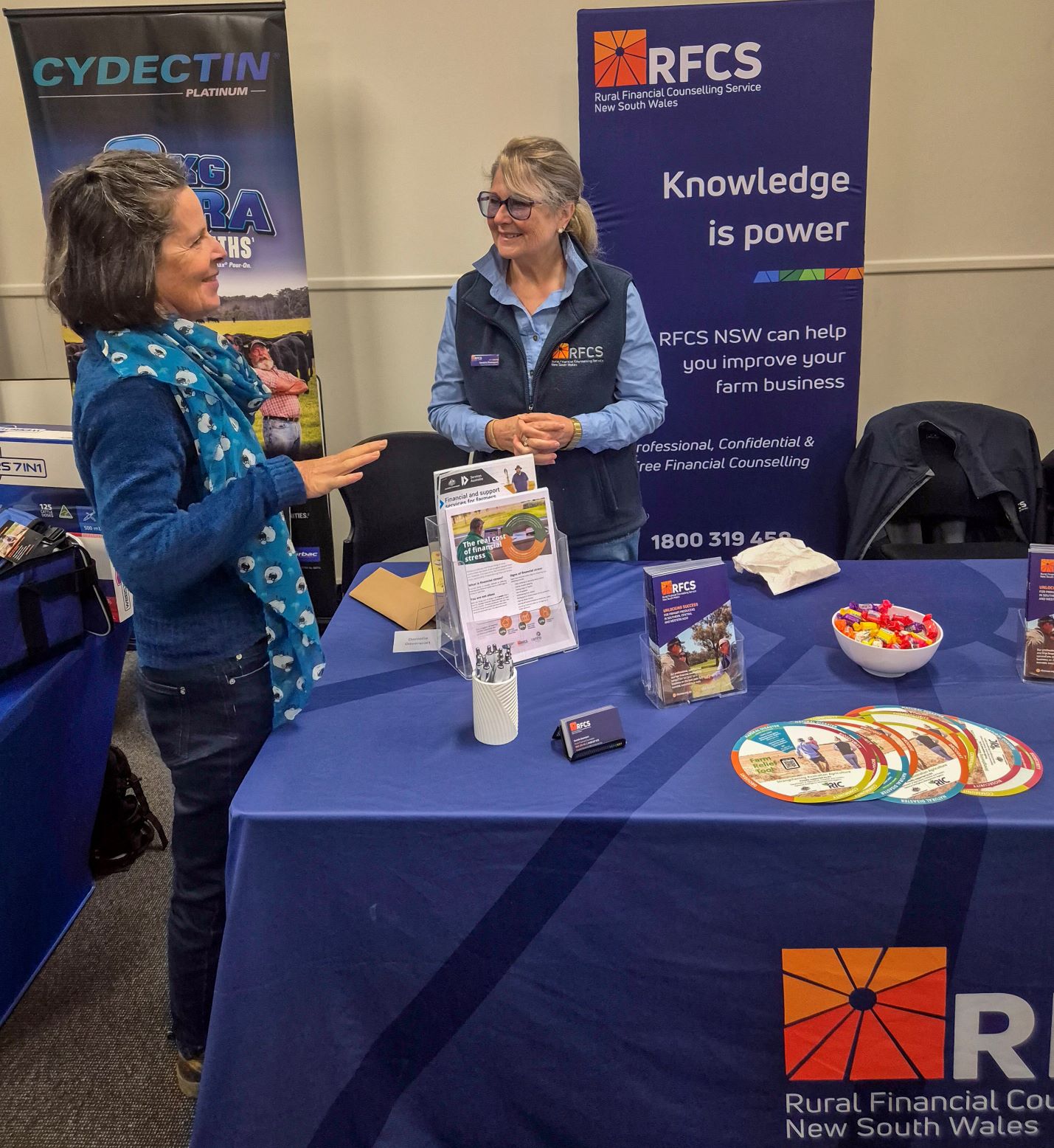
There's a lot of good information and support out there for farming families right now. The challenge isn't access - it's choosing what to actually act on. RFC Danielle Davenport recommends picking one or two priorities, find the right people, and follow through.
That was the takeaway from the 2026 Blayney Beef Muster and it landed with real weight, given the room it came from. Rain, sleet, blustery winds and 4°C on the drive in, yet 220 cattle producers, vets, bankers, advisors and suppliers turned up and stayed to the end.
Organised by LLS Central Tablelands, the day covered export market intelligence, geopolitical trends shaping Australian beef demand, virtual fencing technology and cattle health management. Simon Quilty from Global Agri Trends delivered a standout session on where Australia sits in global meat markets - spoiler: we punch well above our weight.
Not sure where to start with your own priorities? That's exactly what an RFC is there for - free, confidential, and on your side.
How a lick block and a scanner can benefit flock health
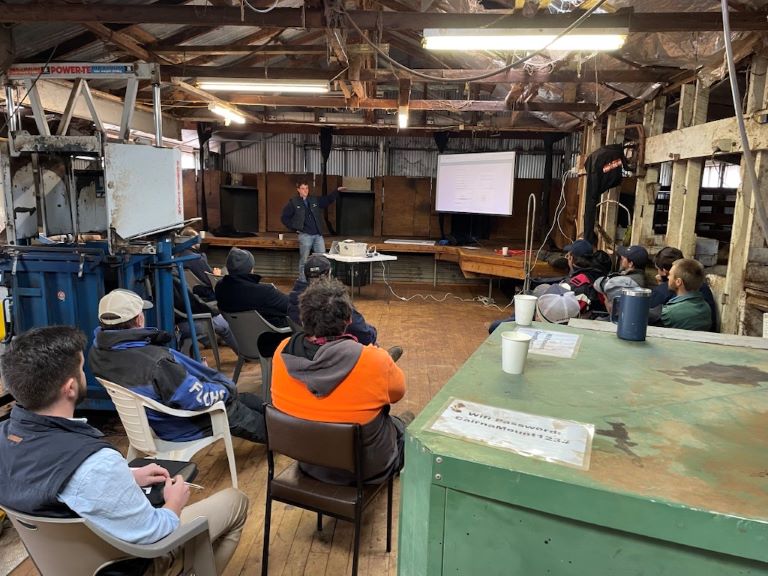
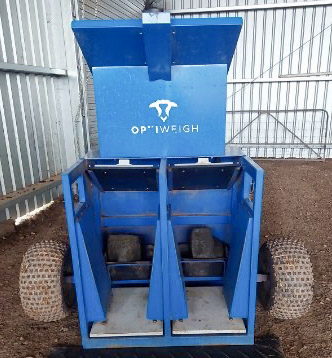
RFCs are always keeping an eye out for tools, technologies and approaches that could genuinely benefit their farming clients, and an LLS workshop at Kitto's Shearing Shed in Tallimba recently delivered exactly that.
A highlight shared by RFC Dan Brown was a live demonstration of Optiweigh - a system that could change how producers monitor flock health. A lick block draws animals to a scale, scans their eID tag, records their weight, and sends the data straight to a phone via 4G, 5G or satellite, giving real-time visibility of weight trends across the flock. The practical upshot: spot a sheep losing condition to worms early, or know with confidence when they're ready to sell, without the guesswork.
A couple of tips from LLS vet Lara Mitchell worth passing on: lambs can pick up worms from as early as two days old by grazing near lambing ewes, so early monitoring matters. And if a sheep develops pinkeye, treat both eyes, not just the affected one.
With input costs where they are, tools that sharpen on-farm decision-making are worth a closer look. If you're wondering whether the numbers stack up for your operation, that's a conversation for your RFC.
Stronger Farms at Molong & Goulburn
RFCs attending events alongside farmers isn't just about being visible; it's about staying sharp on the tools and information that matter to their clients. Kerry Connor and Danielle Davenport joined livestock producers at the free Stronger Farms half-day workshops in Goulburn and Molong respectively, getting hands-on with the same practical content their farming clients are working through.
Sessions covered seasonal and market conditions, risk management, gross margins, cash flow and decision trigger points. Farmers came away with a clearer way to use livestock gross margins for their own enterprise, the ability to run 'what-if' scenarios across price, production and cost changes, and a draft set of decision trigger points tailored to their business.
Farm Smart - Farmers Planning Ahead With Confidence
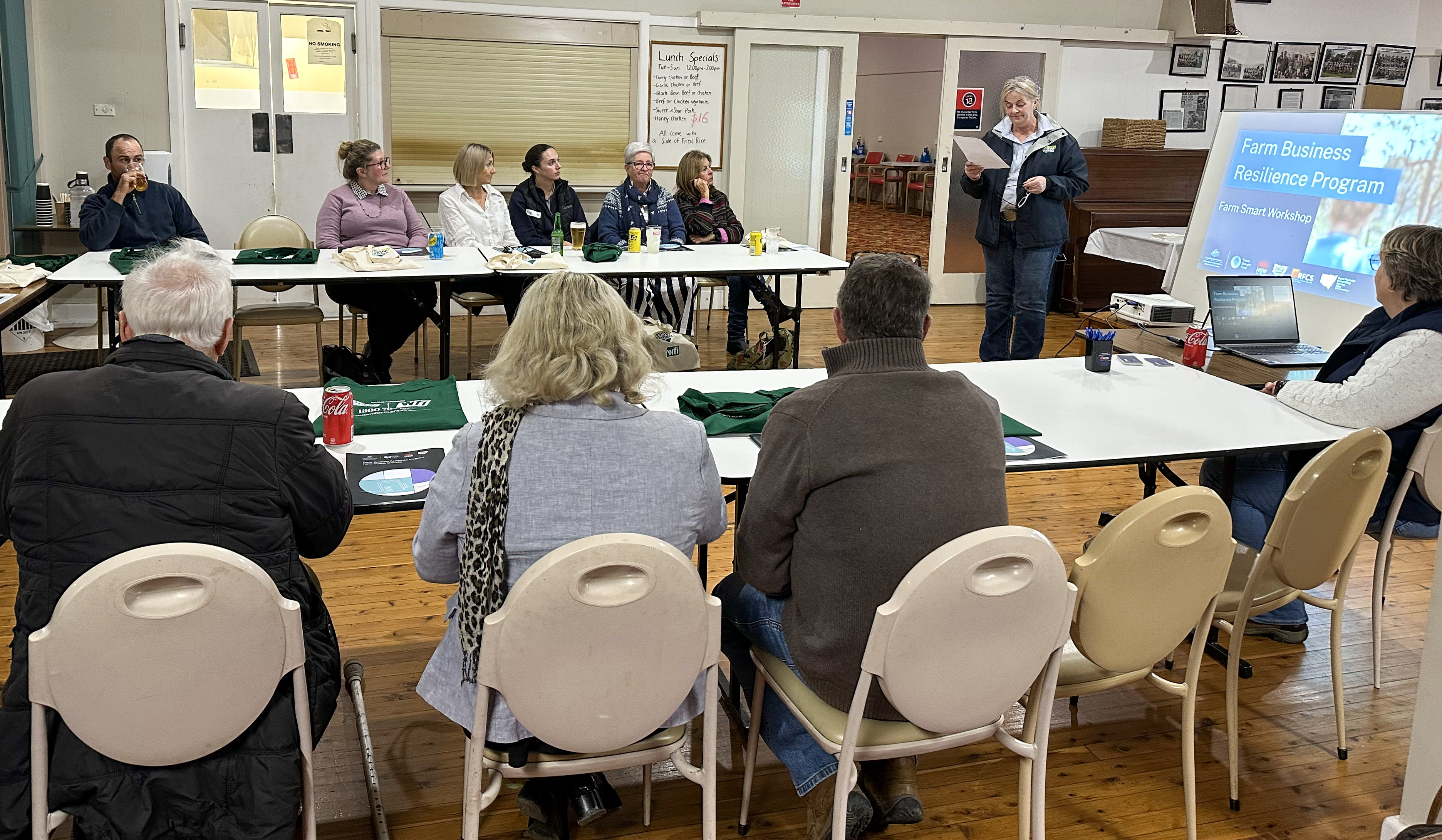
More farmers are facing the new financial year with more confidence thanks to a series of Farm Smart planning and management workshops delivered by the RFCS NSW in partnership with NSW Farmers across the state's southern and central regions.
Sessions in Finley (May) and Trangie, Griffith and Orange (June) helped producers sharpen their farm business plan, stress-test their risk profile and improve bank-readiness - all practical, and built around real farm scenarios.
A dedicated Oyster Focus series is also now underway, designed exclusively for NSW oyster growers. The first sessions have been delivered, with three further workshops to follow through 2026–27. By the end of the series, participants will have a Commercial Farm Development Plan that's practical, compliant and built for the long term.
The Farm Smart workshops were part of the Farm Business Resilience Program, jointly funded by the Australian Government's Future Drought Fund and the NSW Government.
Just A Farmer wellbeing focus - Ardlethan & Narrandera
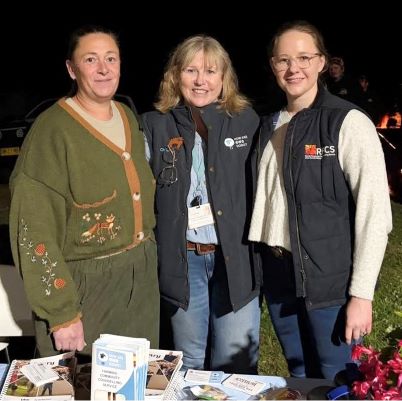
In June, around 130 people gathered in Ardlethan for a free community screening of Just A Farmer - a film that follows a rural family through grief, silence and the weight of things left unsaid. RFC Rhianna Cameron was there on the night, and filmmaker Leila McDougall joined to answer questions about the story behind the film, including its treatment of life after loss.
The mood on the night was exactly what these events aim for: a community coming together, and a few more conversations starting that might not have otherwise.
That momentum continues in Narrandera. RFCS NSW is hosting a free community screening on Friday 10 July at the Narrandera Bowling & Recreation Club - dinner from 5:30pm, film from 6:30pm, followed by a Q&A with Leila McDougall.
Independent audience surveys from screenings across Australia show that 91% of attendees came away feeling more comfortable discussing mental health, and 82% went on to have those conversations after the film. It's a powerful night, and a good reason to put down the to-do list and head into town.

Taking financial literacy into the community
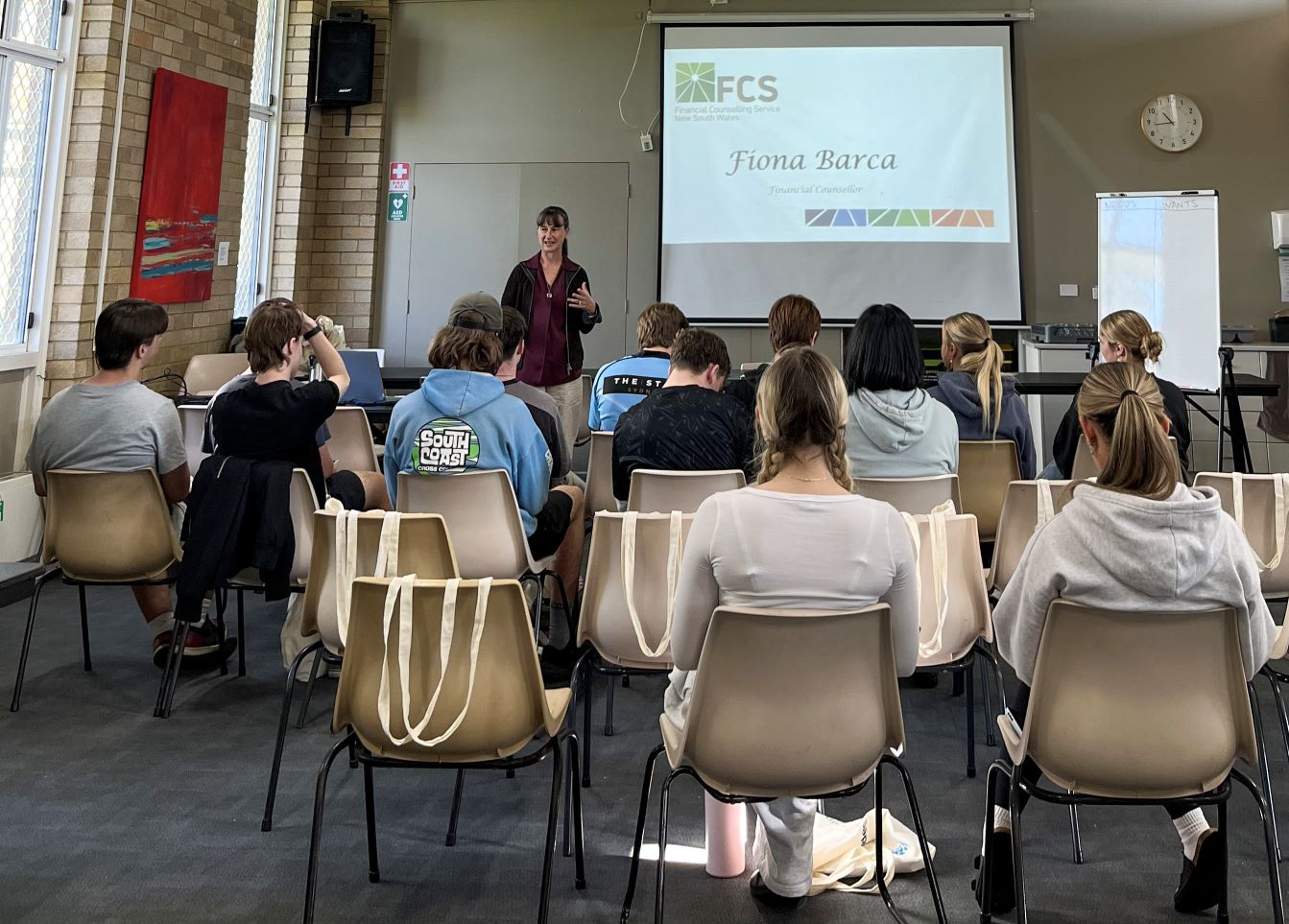
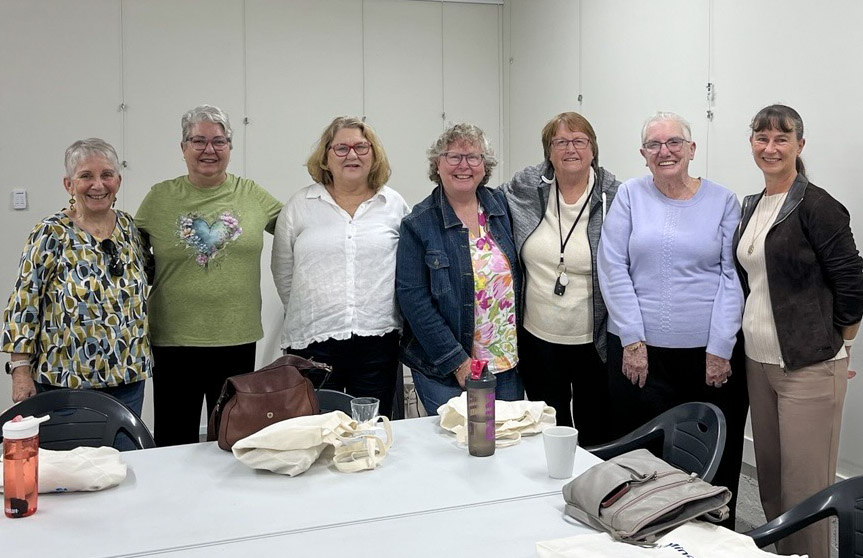
The Financial Counselling Service (FCS) team has been active in the community this season, delivering financial literacy workshops that go well beyond the traditional counselling room.
It's needed work. Around 45% of Australian adults are financially illiterate - a decade-long decline linked in part to falling enrolments in high school economics. Reaching people early, and in the places they already gather, is central to how RFCS NSW is responding.
Under the organisation's strategic priority to grow financial capability across regional communities, the FCS team serving the Illawarra region has been doing exactly that - running sessions at a Nowra school camp, a local community centre, and with an upcoming outreach event through a local Aboriginal service.
The team has also secured two new recurring workshop partnerships:
- Assist Shellharbour (Baptist Church) - monthly from Monday 3 August
- Albion Park Rail Community Centre - commencing Thursday 17 and 24 September, with regular sessions to follow
Each workshop is tailored to participants' needs and covers practical ground: budgeting, saving, managing debt, talking to creditors, protecting against scams, and knowing where to find free support. Sessions are interactive, with group activities and take-home resources, and are open to carers, individuals, and families. If you know someone who could benefit, these sessions are free and no referral is needed.
Events & workshops
1–2 July | Succession Planning Seminars - Dubbo, Coonamble, West Wyalong
NSW Farmers is delivering succession planning seminars across the state to help farming families navigate one of the biggest decisions they'll face, covering legal and tax considerations, family communication and planning a smooth transition. Coming to Dubbo and Coonamble in July and West Wyalong in September. Find out more here.
16 July | Virtual Fencing On-Farm - Cudal
Curious about virtual fencing but want to see it working in a real beef operation before making any decisions? This on-farm discussion at James Rodgers' property near Cudal gives producers a chance to hear directly from a local operator including what's worked, what hasn't, and where the return on investment sits. Topics include crop utilisation, feed allocation, labour efficiency and soil protection. A virtual fencing technology representative will also be on hand. Register here.
13 July & 17 August 2026 | Plan to Profit – Tocal College
If you're ready to get serious about farm business planning, Tocal College's Plan to Profit is a 12-week online course that takes you through financial analysis, profit drivers and strategic planning, with one-on-one coaching and practical tools built for producers. Eligible NSW producers may be able to access subsidised training through the Farm Business Resilience Program. Learn more here.
22 July | AgTech Fundamentals Workshop - Mudgee
A practical introductory workshop for producers keen to understand how AgTech and connectivity solutions can work on their farm without wasting time or money on technology that doesn't fit. Walk away knowing the right questions to ask suppliers and the next steps to take. Book here.
27–29 July | Australian Women in Agriculture Conference - Orange
The AWiA 2026 National Conference comes to Orange under the theme Grounded Voices – National Impact, bringing together women from across the agricultural sector for connection, leadership development and substantive industry conversations. The program covers keynote speakers, policy and innovation panels, governance workshops, an Emerging Leaders stream and regional farm tours. Book your tickets here.
4 August | Profitable Grain Storage Solutions - Cowra & Molong
With margins under pressure, this event offers practical, expert guidance on getting more value from on-farm grain storage infrastructure - covering pest identification and biosecurity, smarter storage practices, drought planning and key marketing decisions to maximise grain value. Cowra (morning) - book here. Molong (afternoon) - book here.
19 August | Wild Dog Forum - White Cliffs | Save the Date
A wild dog forum is being coordinated for landholders, stakeholders and government in White Cliffs on 19 August. Please save the date and share through your networks. Contact Brooke Anderson for more information:
19 August | Get RIC Ready Webinar - Free, Online
The Regional Investment Corporation is hosting a free webinar at 12 noon (AEST) on Wednesday 19 August for farm businesses, advisers and industry stakeholders. The session covers RIC loan eligibility, the application pathway and how a concessional loan can help improve cash flow - whether you're navigating drought, starting out or planning succession. Can't attend live? Register anyway and receive the recording. Register here.
Grants & opportunities
Farm Business Transition Program - Round 2 | Closes 15 July
Sheep producers can apply for grant funding under Round 2 of the Australian Government's Farm Business Transition Program. Funding supports planning, professional advice, research and development activities, and on-farm infrastructure investment, all aimed at supporting the adoption of alternative farming systems and practices. Apply here.
GrainCorp Community Fund | Applications Open 1–31 July
GrainCorp's Community Fund supports organisations and projects in grain growing and GrainCorp operational regions. Two grant categories are available - Community Programs and Infrastructure and Projects - with a maximum of $20,000 per category. Applications open 1 July and close 31 July 2026. Apply here.
Wearable Exoskeletons Trial - Horticulture Producers
Early trials of wearable exosuits on Australian horticulture farms have shown a 25% reduction in movement-related injury risk overall, and a 64% drop in risk for tray-carrying tasks. Hort Innovation is now inviting growers to participate in an on-farm pilot - trialling ExxoLift exosuits across everyday tasks, with an AI wearable sensor risk assessment included. Growers who complete the trial keep the equipment. If your operation relies on repetitive or physically demanding manual labour, it's worth exploring. Contact:
Bert Evans Apprentice Scholarships | Applications Close 30 September
First-year NSW apprentices experiencing financial or personal hardship can apply for scholarships of up to $5000 per year for up to three years. Funds can be used for tools, fuel or general living expenses. Applicants must be working in NSW for a NSW-based employer and be an Australian citizen or permanent resident. Apply here.
Chemical Card Plus - Accreditation Workshops Across NSW
Ensure your team holds current accreditation for the safe handling and transportation of chemicals. One-day face-to-face workshops and a fully online self-paced option are available. NSW participants may be eligible for full fee subsidy under the AgSkilled program. Upcoming locations: Narromine (13 Jul) | Dubbo (14 Jul) | Orange (20 Jul) | Mudgee (21 Jul) | Warren (27 Jul) | Gilgandra (28 Jul) | Nyngan (3 Aug) | Parkes (4 Aug) | Condobolin (10 Aug) | Canowindra (11 Aug) | West Wyalong (17 Aug) | Forbes (18 Aug) | Tottenham (24 Aug) | Dunedoo (25 Aug) | Balranald (27 Aug). Register here.
EOI Open | Carbon Opportunities - Grain & Mixed Farming Businesses
Riverine Plains is seeking 18 grain and mixed farming businesses across southern NSW for tailored, farm-specific carbon scoping - covering soil carbon, native vegetation, grazing management and lower-emissions systems, with whole-of-business productivity kept front of mind. Delivered under the NSW Government's Low Carbon Landscapes program. Submit EOI here.
Closes 31 July | Inland Rail Community Grants
Grants of $1000–$4000 are available for individuals and organisations along the Inland Rail route for community-initiated projects, events or activities that support local prosperity, wellbeing and sustainability. Apply here.
Always Open | Industry Growth Program - Startups & SMEs
The Australian Government's Industry Growth Program provides advisory services for startups and small to medium enterprises with innovative commercialisation or growth projects aligned with the National Reconstruction Fund priority areas. Always open - worth a look if your agribusiness has a growth project in mind. More info here.